
Cloud vs. On-Premise Security Solutions: How to Choose the Right System
Cloud vs. On-Premise Security Solutions: How to Choose the Right System
When planning a security system, businesses must decide between cloud security and on-premise solutions. This decision affects everything from infrastructure to costs and security. Here’s a comparison of the key differences, helping you choose the best solution for your business.
Key Differences Between On-Premise and Cloud Security
- Infrastructure:
- On-premise: Requires physical servers, storage, and networks within the premises, consuming space and power.
- Cloud: No physical infrastructure on-site. Data is stored remotely and accessed via the internet, freeing up space on-site.
- Management and Maintenance:
- On-premise: Managed by your internal IT team, which must handle maintenance, updates, and networking.
- Cloud: Managed by the provider, with maintenance included in the subscription, easing the burden on your team.
- Storage Capacity:
- On-premise: Limited by the physical capacity of installed servers. Expanding requires additional equipment.
- Cloud: Offers virtually unlimited storage, scaling with your needs.
- Reliability:
- On-premise: Depends on internal systems and proactive maintenance to avoid downtime.
- Cloud: Depends on external internet connections but typically offers high uptime guarantees.
- Disaster Recovery:
- On-premise: Vulnerable to local disasters. Alternative systems must be set up for recovery.
- Cloud: Data is safely stored off-site, with no local disaster affecting data access.
- Control and Compliance:
- On-premise: Full control over security and compliance, ideal for regulated industries.
- Cloud: Data is subject to third-party control and may not meet all compliance requirements without proper checks.
- Security:
- On-premise: More control over physical security but vulnerable to internal breaches or damage.
- Cloud: Security is managed by the provider, with encryption in transit, though you must trust their protocols.
- Scalability:
- On-premise: Scaling requires new hardware and installation, which can be costly and time-consuming.
- Cloud: Scales easily with minimal disruption but may come with increased subscription costs.
- Cost:
- On-premise: High upfront costs for infrastructure, plus ongoing maintenance.
- Cloud: Lower upfront costs but recurring subscription fees that may rise with usage.
Is Cloud Security More Secure Than On-Premise?
On-premise security gives you control over data protection but can be vulnerable to physical threats and internal breaches. Cloud security offers strong encryption and reduces the risk of on-site data theft or damage. However, your data is subject to the cloud provider’s security measures, and reliance on the public internet can introduce vulnerabilities.
Which Solution is Right for Your Business?
The best choice depends on:
- Space and capacity for on-site infrastructure.
- Internet reliability to handle large data transfers.
- Industry-specific compliance requirements.
- Long-term scalability and expansion needs.
- Budget for upfront and ongoing costs.
For businesses with limited IT resources or rapid scalability needs, cloud security may be the right choice. If control and compliance are critical, on-premise solutions might be more suitable.
By evaluating these factors, businesses can choose the solution that best balances security, operational needs, and costs.
Contact Anchor Today View all News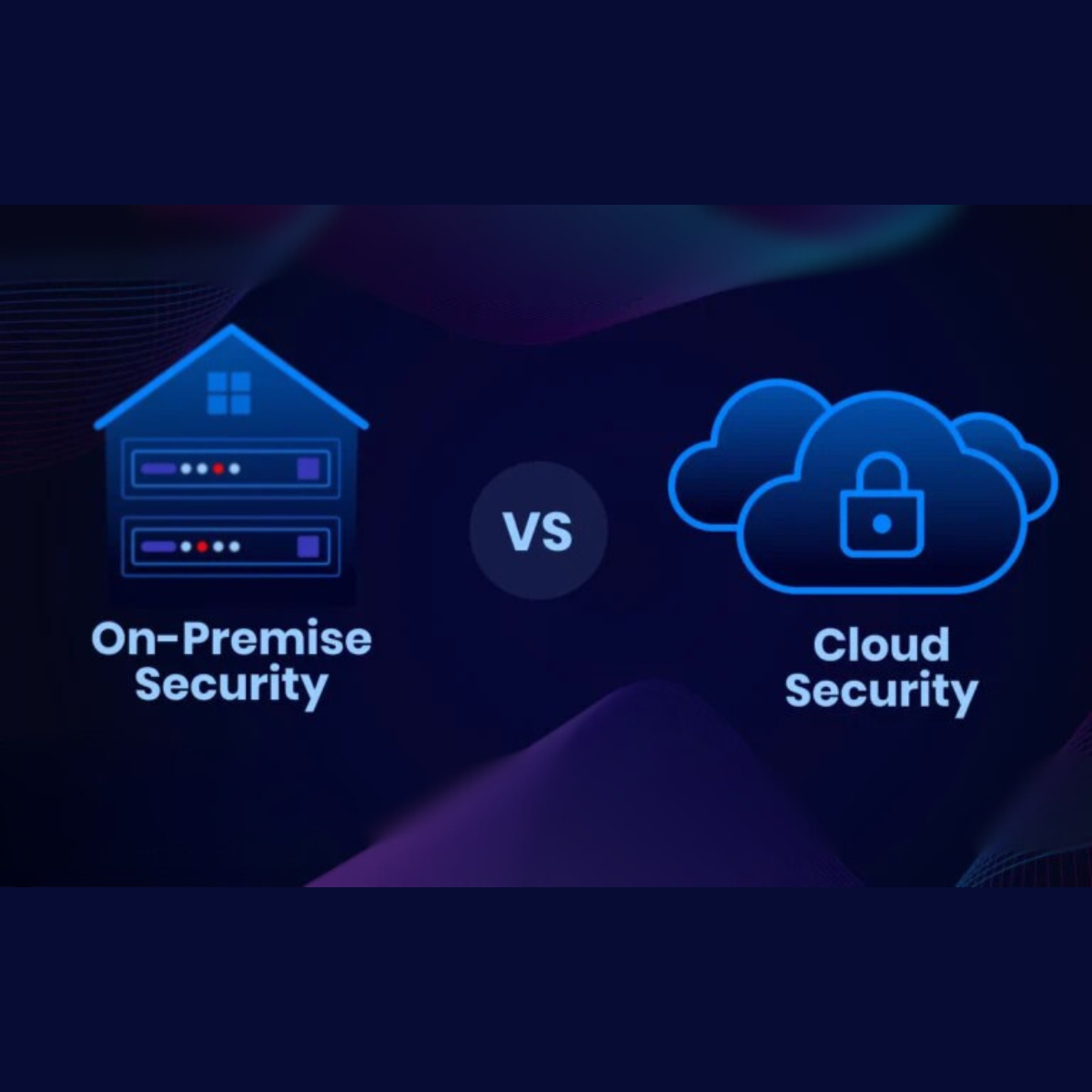
Hybrid Solutions
For some businesses, a hybrid approach might work best-leveraging both cloud and on-premise security systems. This model allows companies to maintain control over sensitive data with on-premise solutions while taking advantage of the scalability and flexibility offered by the cloud for other aspects of their operations. This is often seen in industries that handle both sensitive data and less-critical data.Risk of Vendor Lock-in with Cloud Solutions
Cloud providers offer many benefits, but businesses should be aware of the potential for vendor lock-in. Once a company stores its data with a particular provider, migrating away from them can become complex and expensive. It’s worth considering whether the provider offers easy data portability options and what the exit strategy would look like should you choose to switch providers.Data Sovereignty Considerations
If your business operates internationally, understanding data sovereignty laws is important. Some countries have strict rules about where and how data can be stored. With cloud security, it’s important to ensure that your provider complies with these regulations and offers the option of choosing data center locations that meet your legal requirements.Security Compliance Features in Cloud
Many cloud providers are investing heavily in compliance certifications like ISO 27001, SOC 2, and industry-specific regulations such as HIPAA for healthcare or PCI DSS for payment processing. While cloud providers take care of many security aspects, businesses must ensure that the chosen provider aligns with their specific compliance needs.Cost Over Time
When considering cost, it’s important to look beyond the initial investment and consider the total cost of ownership. While on-premise solutions may have higher upfront costs, they might result in lower ongoing costs over time compared to cloud solutions. This can be true, especially for businesses with large, steady data needs, where subscription fees might grow as usage increases. Ultimately, businesses need to weigh their specific needs-whether it’s control, scalability, compliance, or cost efficiency-and align these with the pros and cons of each solution. The best choice will vary based on the company’s infrastructure, goals, and security requirements.